

What Is Bakhoor, Really?
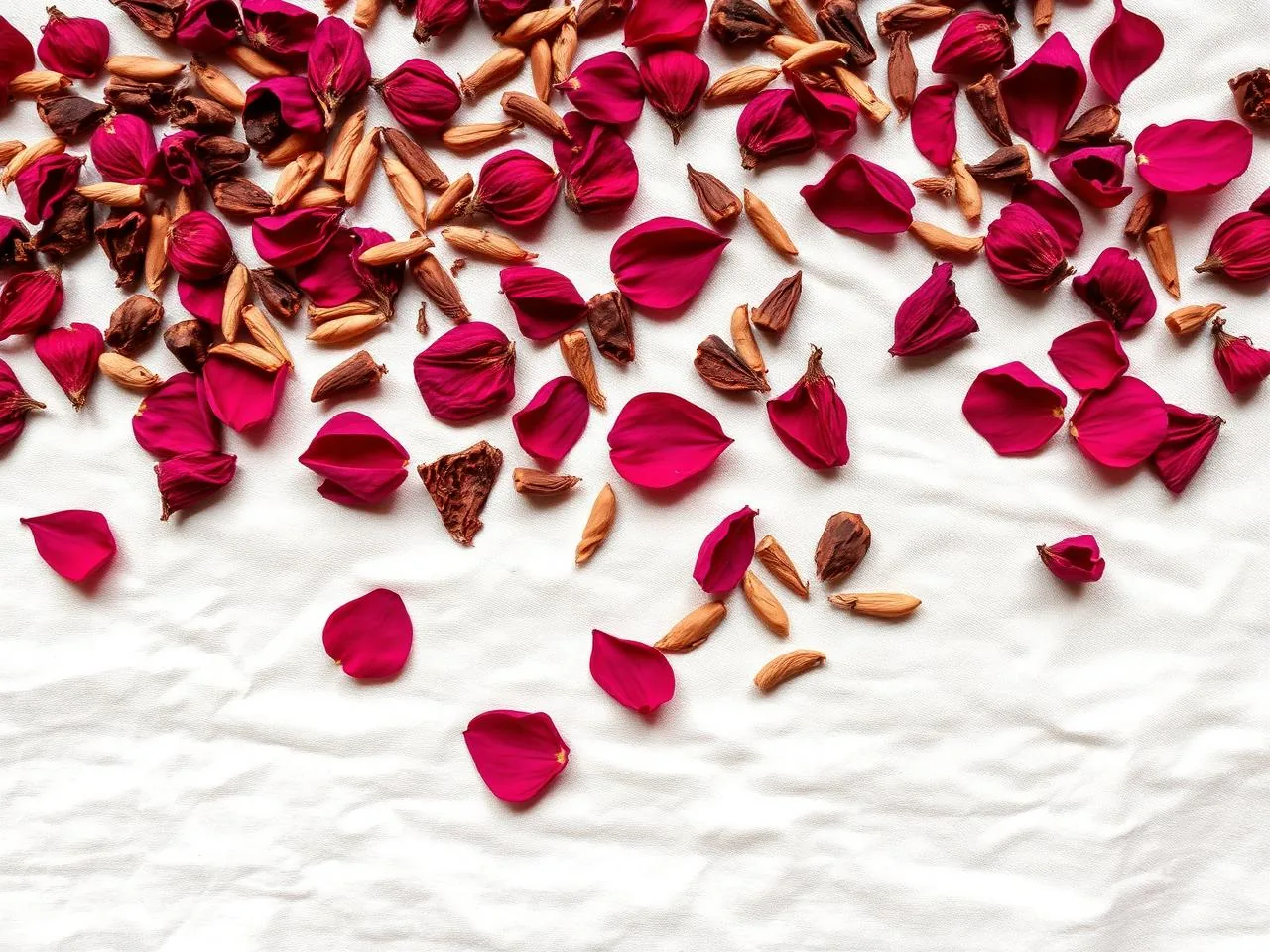
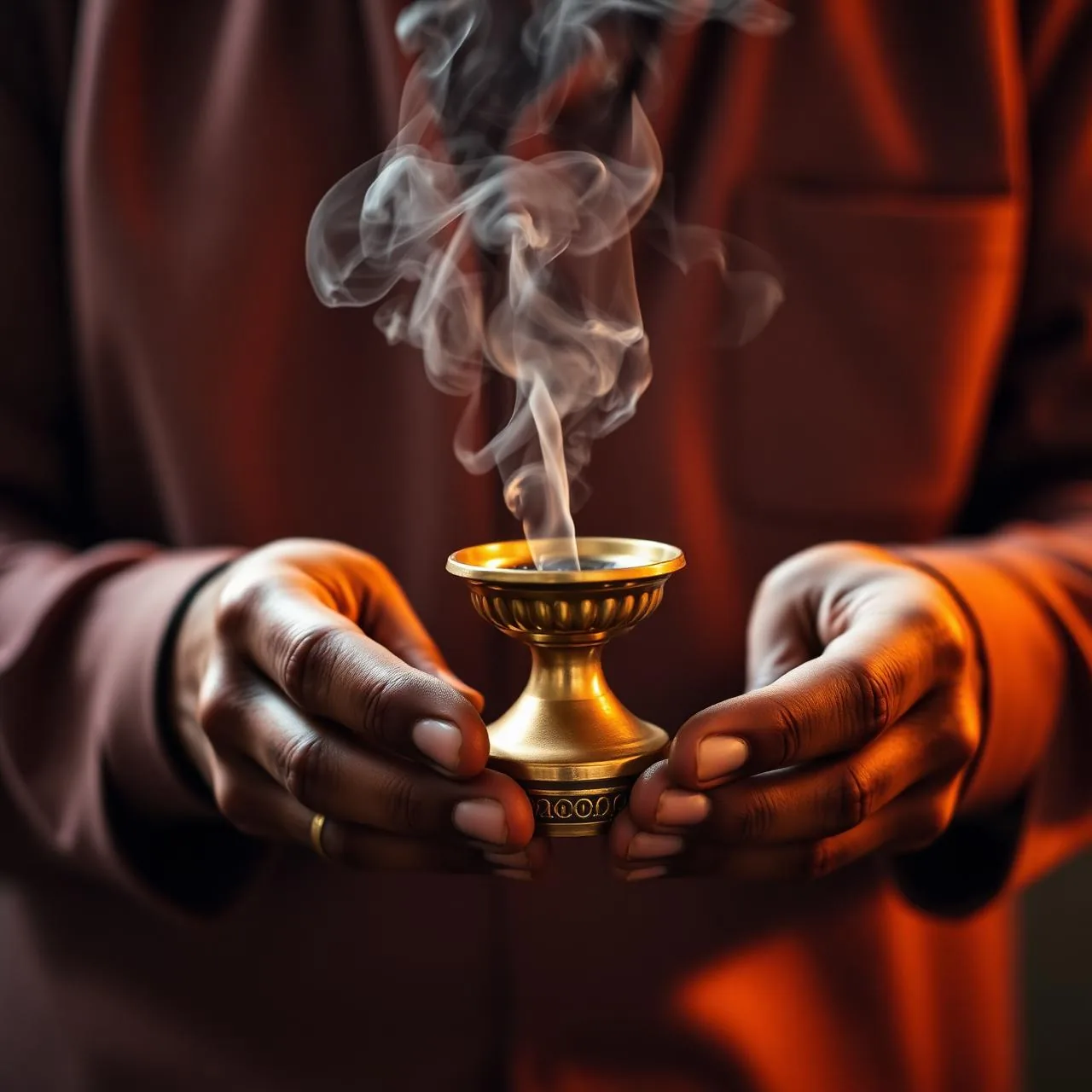
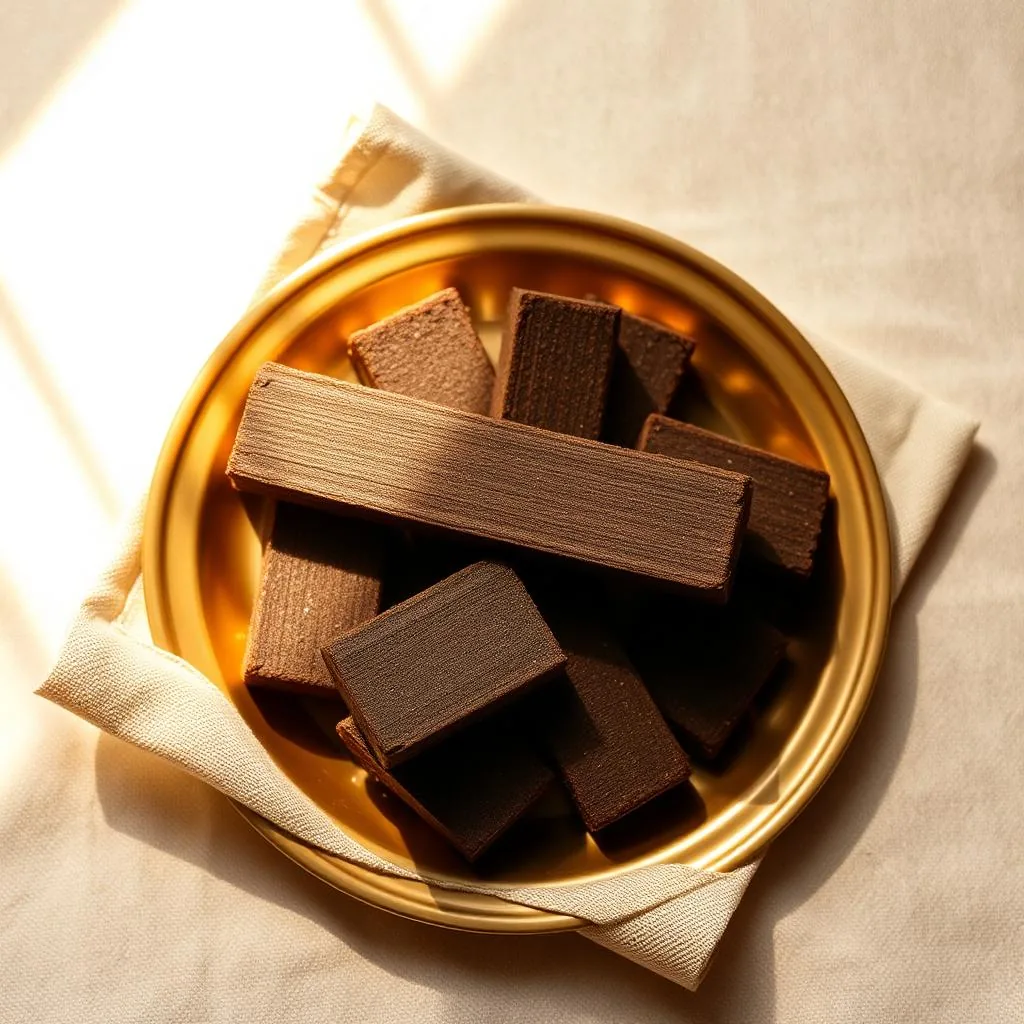
Bakhoor (بخور) is the Arabic word for incense, but in practice it refers to a very specific format: small bricks or pellets of compressed wood — usually agarwood (oud), sometimes sandalwood — soaked or kneaded with natural resins, oils and a binder. You place one piece at a time on a heat source (charcoal, or more often today an electric burner) and the room fills with smoke.
Where it comes from
The tradition is at least two thousand years old and stretches across the Arabian Peninsula, the Horn of Africa, parts of South Asia and the Levant. In the Gulf today it is woven into daily life: bakhoor is burned before guests arrive, on Friday before prayer, on weddings, on Eid. Many homes have a dedicated brass mabkhara (burner) that lives on a side table.
What it is not
Bakhoor is not the same as Indian incense sticks (agarbatti), Japanese koh, or American “smudge” products. The format is different and the materials are different. Most of the “oud” candles you find in U.S. department stores contain no actual agarwood — they are synthetic compounds designed to smell vaguely like the real thing.
How to choose a good one
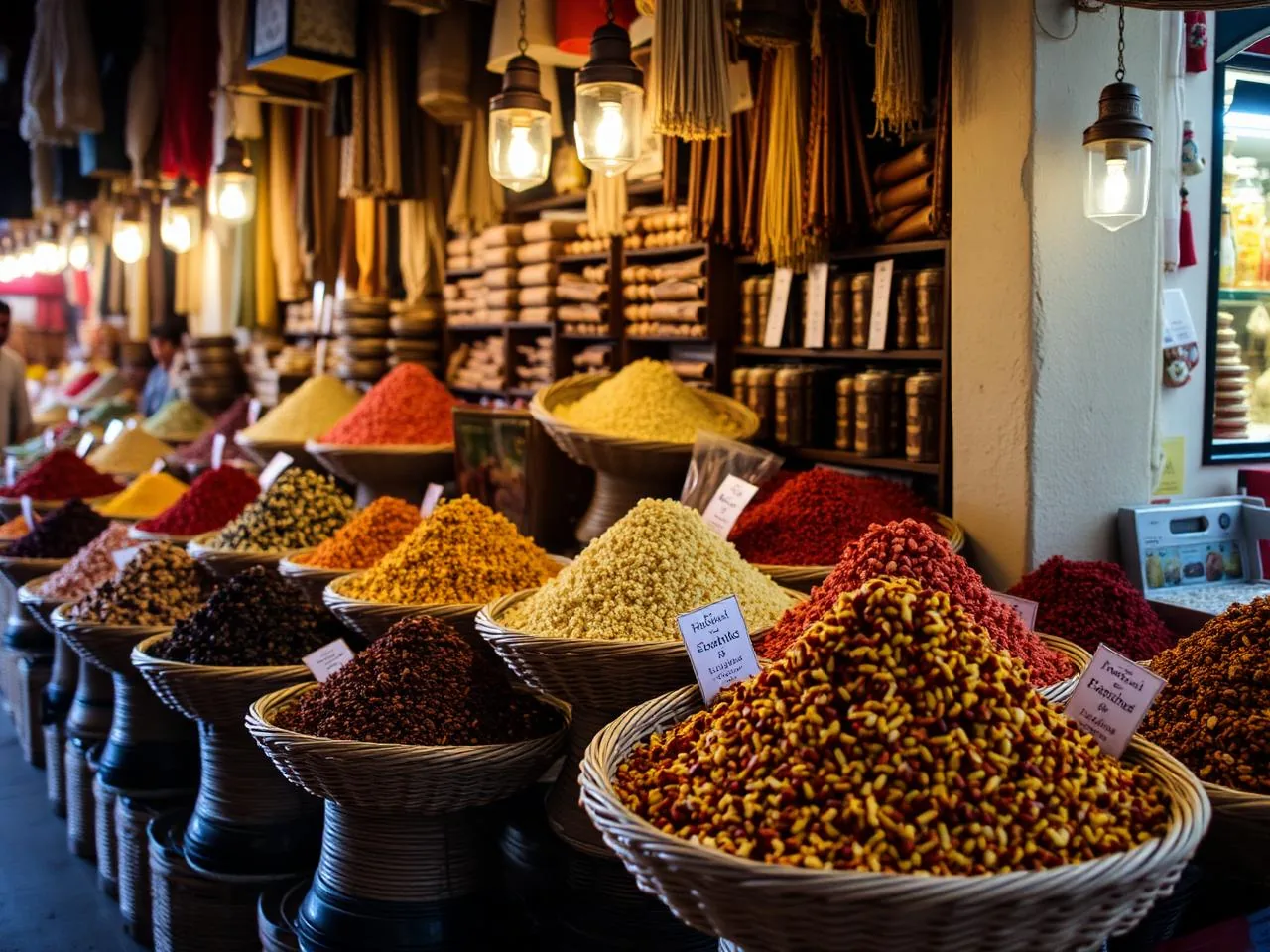
Look for a short ingredient list with real names — agarwood, sandalwood, frankincense, rose, amber, musk. Avoid anything that just says “fragrance.” A good bakhoor smells distinct when cold; if it smells of nothing, it will smell of nothing burnt either.
One brick of real bakhoor will scent a room for thirty minutes — and your memory of the room for a year.
How we make ours
At Al Bahiya we hand-blend bakhoor in batches of 200 tins. The base is Assam agarwood powder, with Salalah frankincense, sandalwood from Mysore, and a single drop of Taif rose absolute per brick. The binder is a natural plant gum. We press the mixture into thin bricks, dry them for 14 days, then weigh them into glass tins.